
Call Us
+86-13486669457The fundamental design choice of the adjustment mechanism in Tractor Top Links—commonly a turnbuckle, threaded rod, or quick-adjust system—greatly affects operational ease. Turnbuckle and threaded rod designs provide fine, continuous length adjustment, allowing operators to precisely set implement positioning for optimal field performance. This precision is critical when working with varying soil conditions or different implements. Alternatively, quick-adjust systems, such as pin-and-hole or lever-actuated mechanisms, prioritize speed and convenience by enabling rapid changes without tools. These systems reduce downtime during frequent implement changes but may offer less granular control. Selecting the appropriate mechanism design balances precision needs with operational efficiency depending on user preferences and agricultural practices.
Tractor Top Links are adjusted in environments where operators wear gloves and deal with dirt, moisture, and uneven terrain. Design features such as oversized adjustment knobs, textured or rubberized grips, and clearly engraved or painted length scales improve tactile feedback and visibility. These ergonomic enhancements facilitate adjustment without removing protective gear or needing specialized tools, which is especially valuable during adverse weather conditions or when time is constrained. The intuitive placement of adjustment controls further reduces operator strain and expedites the setup process.
The critical aspect of Tractor Top Links’ design is the integration of locking mechanisms that securely maintain the set length despite vibration, shock loading, and dynamic tractor movement. Effective locks may include self-locking nuts, spring-loaded detent pins, cam locks, or double-locking washers. These features prevent accidental loosening, which could lead to implement misalignment, uneven field application, or safety hazards. Robust locking mechanisms reduce the frequency of in-field readjustments and maintenance, thereby enhancing operational uptime and reliability.
The durability of adjustment and locking components depends heavily on material choice and surface treatments. High-strength alloy steels, stainless steel, or galvanized and powder-coated finishes resist corrosion from exposure to water, fertilizers, and soil acids. Material hardness and anti-galling coatings on threads prevent seizing, ensuring smooth and repeatable adjustments throughout the equipment’s lifecycle. Such material considerations also extend the period between necessary maintenance, reducing lifecycle costs for farmers.
Design features that mitigate the ingress of dirt, mud, and plant residues into adjustment threads and locking areas significantly improve functionality. This can include self-cleaning thread profiles, protective caps, or recessed locking components. These measures prevent binding or jamming that commonly occur in muddy or dusty agricultural environments, preserving ease of use. By reducing maintenance interruptions and adjustment difficulties, these adaptations enhance the overall reliability and user experience in real-world conditions.
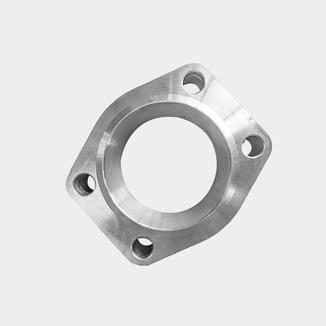
● Product brand: Swintool(If you need it, we can customize the LOGO for you on the product)
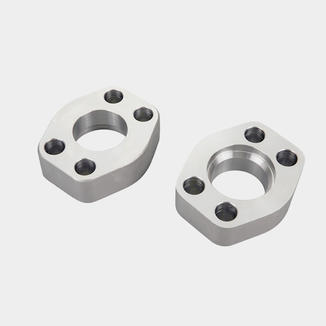
● All flare flange clamps of 4-bolt dimensions are the same to SAE J518 / ISO 6162 standards, the
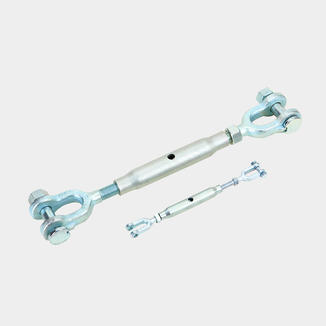
Turnbuckle is according to DIN1478 2005 version. Hot drop forged Jaws with RH and LH thread. Bolt ac
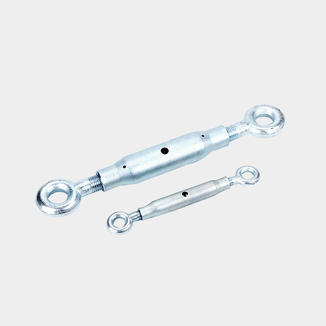
Turnbuckle is according to DIN1478 2005 version. Hot drop forged Jaws with RH and LH thread. The fi
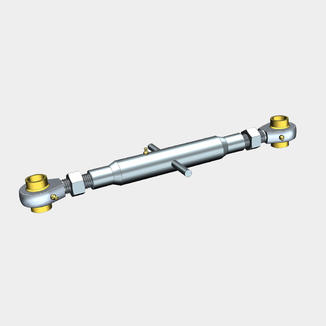
1. Cat 2 tractor top inks are 3-point hitch parts, including tractor turnbuckle, top link ends, and
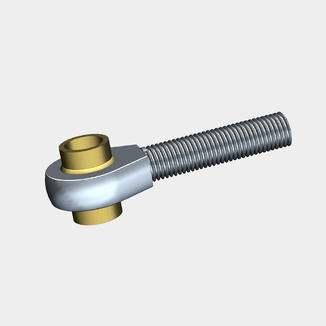
The tractor top link end size is including ball ends and turnbuckle thread ends, also called ball en
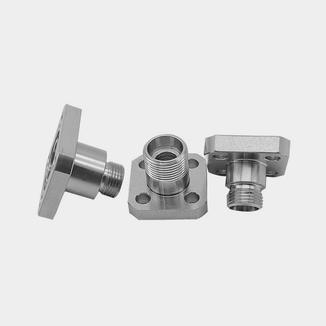
The hydraulic square flange is a component used in hydraulic systems to connect various hydraulic el
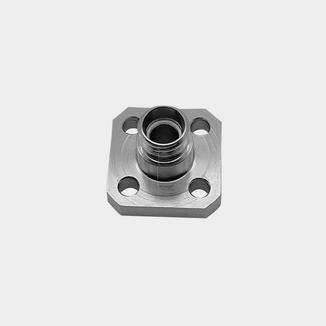
Hydraulic square flanges are commonly used in a wide range of industries and applications, including
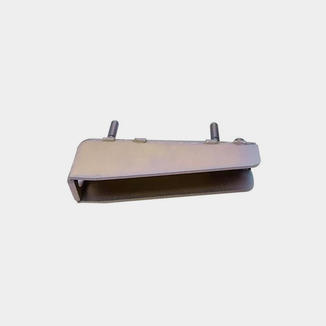
The tail drum adjuster is a mechanical component used in conveyor systems to maintain proper tension

Copyright © 2023, Yuyao Swintool Co., Ltd. All rights reserved.


 中文简体
中文简体
 English
 Tel: +86-0574-58225920
 Fax: +86-13486669457
 E-mail: ke@swintool.com
 Follow Us
 Home
Home