
Call Us
+86-13486669457The performance of butt weld SAE flanges in extreme temperatures begins with the choice of materials. Metals such as carbon steel, stainless steel, alloy steels, and other high-performance alloys are commonly used for these flanges due to their high resistance to temperature fluctuations and their well-defined thermal expansion coefficients. These materials are chosen for their ability to expand and contract at predictable rates in response to temperature changes, ensuring that the flange does not undergo unwanted deformation during thermal cycles. For example, stainless steel offers excellent corrosion resistance and maintains strength at high temperatures, which is particularly beneficial in industries like chemical processing, power generation, or oil and gas, where both high pressures and extreme temperatures are prevalent. Selecting the right material ensures that the flange can withstand operational stresses without failure, contributing to the overall longevity of the piping system.
Butt weld SAE flanges provide a smooth and full-penetration weld connection that allows some flexibility in absorbing thermal expansion and contraction. The flange and pipe are fused in a way that ensures a strong connection, while the inherent flexibility of the welded joint allows it to accommodate small movements as the system heats up or cools down. Unlike bolted flanges, which may rely on gaskets or seals that could degrade over time under thermal cycling, butt weld flanges offer a more permanent and rigid bond. However, this rigidity is balanced with the inherent flexibility of the welding process itself, which enables the system to withstand the mechanical stresses associated with temperature changes. This characteristic is crucial for avoiding fatigue or cracking at the weld point, ensuring the longevity of the connection.
While the flange itself is designed to accommodate some level of thermal movement, the overall design of the piping system also plays a critical role in managing thermal stresses. Engineers typically incorporate expansion loops, bends, and anchors into the system layout to provide designated areas where the piping can expand and contract freely. Expansion loops, for instance, are designed to divert the piping around a curved path, allowing the pipe to elongate and absorb the thermal expansion without transmitting excessive force to the flanges or welds. Similarly, anchors are used to hold certain points of the system in place, while sliding supports or guide systems can accommodate axial movements without causing strain on the flange connections. By carefully planning where butt weld SAE flanges are placed in relation to these features, engineers can ensure that thermal movements are distributed evenly across the piping system, reducing the potential for stress-induced damage.
During the welding process, heat is introduced to the flange area, which can cause localized expansion. However, the full penetration of the weld ensures that the flange and the pipe are securely joined in a way that distributes thermal stress across the entire weld joint. The use of controlled weld geometry, including factors like weld bead profile and preheating techniques, helps manage the distribution of thermal stresses more effectively. A smooth and continuous weld bead minimizes sharp transitions between the flange and the pipe, which could otherwise become focal points for stress concentration. By optimizing the heat input during welding, the potential for thermal cracking or distortion is minimized. As the piping system heats up and cools down, the thermal stresses are evenly distributed along the weld, reducing the risk of localized stress points that could cause cracking or failure over time.
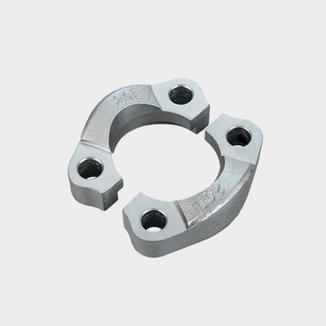
1. Working pressure of SAE code 61 series flange clamps is 3000 PSI, 3,5 MPa (35 bar) to 35 MPa (350
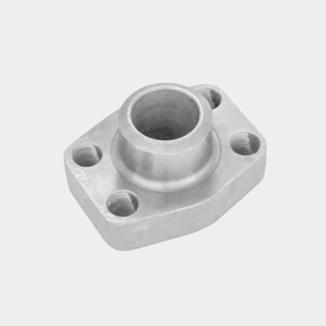
● Swintool Hydraulics for Hydraulic Flanges in accordance with the mounting dimensions and O-Rings
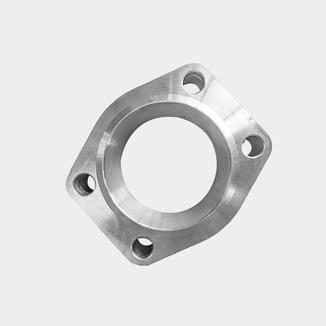
● Product brand: Swintool(If you need it, we can customize the LOGO for you on the product)
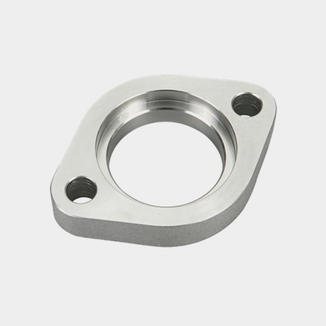
SAE code 61 2-screw bolt flange connections is used as hydraulic flange clamps, only low working pre
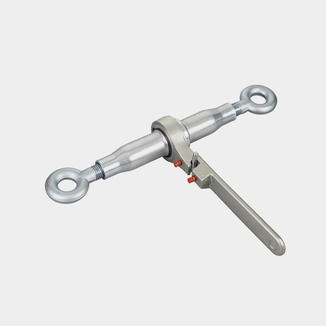
1. Ratchet turnbuckle with jaw jaw fittings, is used for compactor industrial. M30 size is heavy-dut
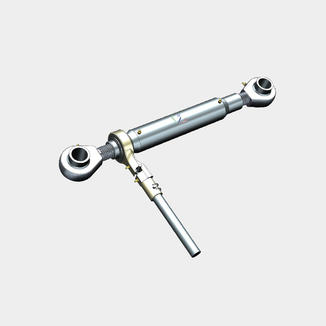
● The ratchet for adjusting the tractor top link, is OEM heavy-duty ratchet jack with metric threa
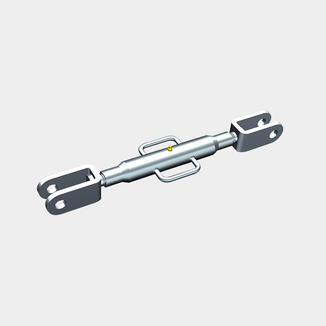
1. Material of lift leveling arm links is used as agricultural parts, tractor turnbuckle is S355, Fo
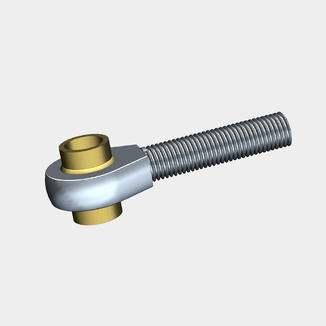
The tractor top link end size is including ball ends and turnbuckle thread ends, also called ball en
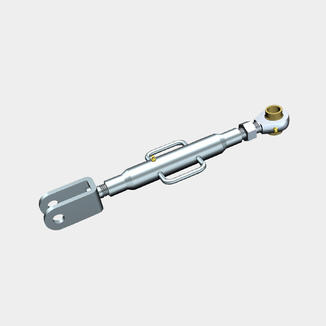
1. Ratcheting adjustable top link is used for leveling purposes, the same function as hydraulic top

Copyright © 2023, Yuyao Swintool Co., Ltd. All rights reserved.


 中文简体
中文简体
 English
 Tel: +86-0574-58225920
 Fax: +86-13486669457
 E-mail: ke@swintool.com
 Follow Us
 Home
Home